
Every fortnight or so we’ll bring you some technical updates that we hope you’ll find useful.
Today’s topics are a preview of IAB Tech Lab’s forthcoming Programmatic Transparency Centre, a reminder of resources for all things Apple ATT and some insights from Deloitte’s recently released consumer insights report for digital media.
ATT Review & Reminder
Now that Apple’s enforced App Tracking Transparency feature is live through iOS 14.5, they have since released iOS 14.5.1 with the following supportive notes “This update fixes an issue with App Tracking Transparency where some users who previously disabled Allow Apps to Request to Track in Settings may not receive prompts from apps after re-enabling it. This update also provides important security updates and is recommended for all users.”
We have been pushing out a wide range of information, updates and dedicated webinars over the past 6 months, prior to these changes – and recommend that everyone reviews the content in a dedicated webinar we held last month (the link is below) and the ‘further reading’ links at the bottom are very useful – particularly the Q&A article.
We have to expect significant negative impacts in terms of efficiencies and effectiveness as consumers shift over to iOS14.5 and are obligated to opt-into ad tracking. A number of our members have been testing these requirements for some time now and have been seeing anything between 20-35% opt-in rates thus far on average. We’ll be running a dedicated member Q&A on this topic as an update, complete with the latest updates, findings and recommendations – at the end of April.
We are also recommending that all of our members update their SDKs to the latest versions and start working closely with Apple’s SKAdNetwork framework, as advertisers will have no other way to measure and to attribute installs. The SKAdNetwork framework allows app advertisers to measure the effectiveness of app install campaigns without the ability to track individual users. We are recommending that our members immediately start testing and for support visit the dedicated IAB Tech Lab tool for managing and maintaining their SKAdNetwork ID lists.
Advertisers will suffer as reach and measurement will be impacted and this may push advertisers to focus more on android and web-based traffic. The key here is to test everything as diligently as possible, including the effectiveness and capabilities of contextual targeting. Meanwhile, app developers will suffer as iOS audiences will be less monetisable overall and they may start having to reconsider their previous ad-funded strategies for their products. However, we may also see that the reduced IDFA-enabled traffic volumes ultimately become more valuable and generate higher yields for those publishers and app developers that can make it worthwhile for consumers to opt-in.
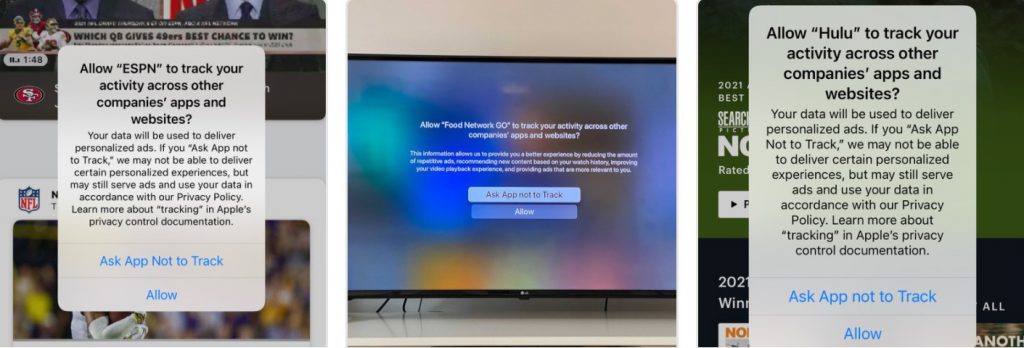
Moving forwards, the entire advertising industry will need to approach everything with a ‘privacy by design’ mindset and be prepared to engage in an open value exchange with consumers with regards to how they collect data for marketing and ensure that there is full consent for its usage. This is explicit in all IAB Tech Lab specifications released recently in relation to user enabled IDs and locally we have now launched the IAB Australia Privacy Essentials for Media & Marketing Professionals (in conjunction with Salinger Privacy) to help support the industry through these changes as Australian legislation evolves.
IAB Tech Lab Transparency Centre
We’re excited to have received some initial previews on the forthcoming Transparency Centre and will be testing the features with a couple of selected members through this quarter, prior to presenting the tools and findings at our next Digital AdOps event in Sydney in late June.
Publishers that register for Supply Chain Validation can look forward to automated checks of their ads.txt and/or app-ads.txt files against vendors’ sellers.json files and will receive notifications of any inconsistencies. This will help to ensure the validity of their ads.txt and/or app-ads.txt files and implementation, ensuring that buyers have more confidence in buying from them.
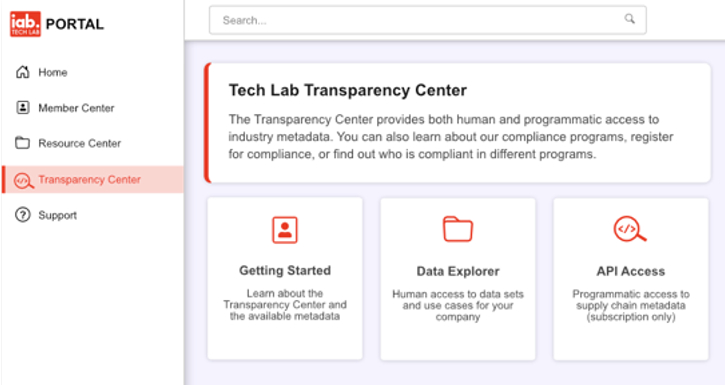
More tools will gradually be introduced, including for the recently released buy-side transparency standards – and we’re hopeful that simple validation tools such as this will help to support widespread industry adoption, usage and adherence.
Click here for more information on the buy-side standards.
Deloitte’s (US) Digital media trends survey report
This years’ is the 15th edition of Deloitte’s annual US Digital media trends report and whilst is not AU data, is timely because everyone is keen to predict the post-pandemic trends. As a result, this survey focused explicitly on how COVID-19 and shifting generational preferences have reshaped the U.S. media and entertainment landscape.
82% of U.S. consumers subscribe to at least one paid streaming video service; and the average subscriber has four paid video streaming services. Some interesting pointers are included regarding how US consumers are increasingly willing to consume ad-supported services as they chase niche content and trending entertainment without being forced to continually pay for additional subscription costs.
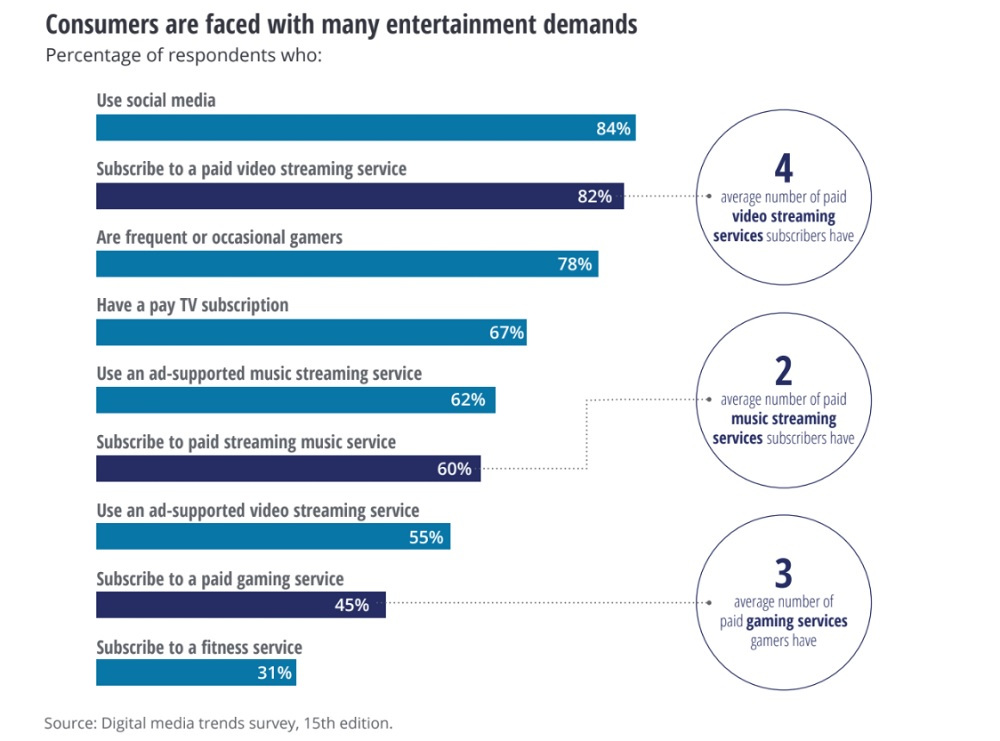
Other key findings from the Deloitte survey are below and the full report is available here:
- U.S. consumers on average have access to four paid video streaming services; 82% subscribe to at least one paid streaming video service.
- The churn rate (percentage account cancellations) for streaming video services has jumped during COVID: That was about 37% between October 2020 and February 2021 (compared with under 20% pre-pandemic).
- A price increase is the No. 1 reason consumers cited for canceling a paid video, music or gaming service. Content (35%) and cost (46%) are the most important factors in deciding to subscribe to a new paid streaming video service.
- 55% of consumers say they watch free, ad-supported video services; 40% say they would prefer to pay $12 a month for a streaming video service with no ads versus 60% of consumers who would accept some ads for a reduction in monthly subscription costs.
- 53% of those surveyed are frustrated by needing multiple service subscriptions to access the content they want.
- 66% of U.S. consumers say they get frustrated when content they want to watch is removed from a service.
- Half of Gen Z consumers rank social media as the No. 1 way they prefer to get news, whereas only 12% prefer to get news from network or cable TV. By contrast, 58% of boomers say they prefer news on network or cable TV, and only 8% look to social media first for news stories.
- 77% of respondents say the government must do more to regulate data collection and use; 45% say they would pay for social media if it didn’t collect their data.